

I’ve spent a fair amount of my career standing next to folks who make things out of raw metal — welders, machinists, fabricators, guys and gals who don’t mind a little slag in their boots. And if there’s one tool that’s changed the game for the backyard fabricator over the last decade, it’s the hobbyist CNC plasma cutter. This isn’t your grandfather’s oxy-acetylene torch and a steady hand. This is precision cutting, computer-guided, repeatable, and — dare I say — kind of magical to watch in action.
A CNC plasma table takes a superheated jet of ionized gas, guides it along a digital path, and slices through steel like it’s cutting warm butter. No more freehand wobble. No more “close enough.” Just clean edges, tight tolerances, and a machine that does exactly what you tell it to do, over and over again.
The hobbyist market has exploded in the last few years. What used to require a five-figure industrial setup can now be had in your garage for the price of a used pickup truck. But with that growth comes a flood of options, and not all of them are built to last. Some are genuinely excellent. Others are held together with hope and cheap bearings. This guide is here to help you sort the wheat from the chaff.

Factors to Consider Before Buying
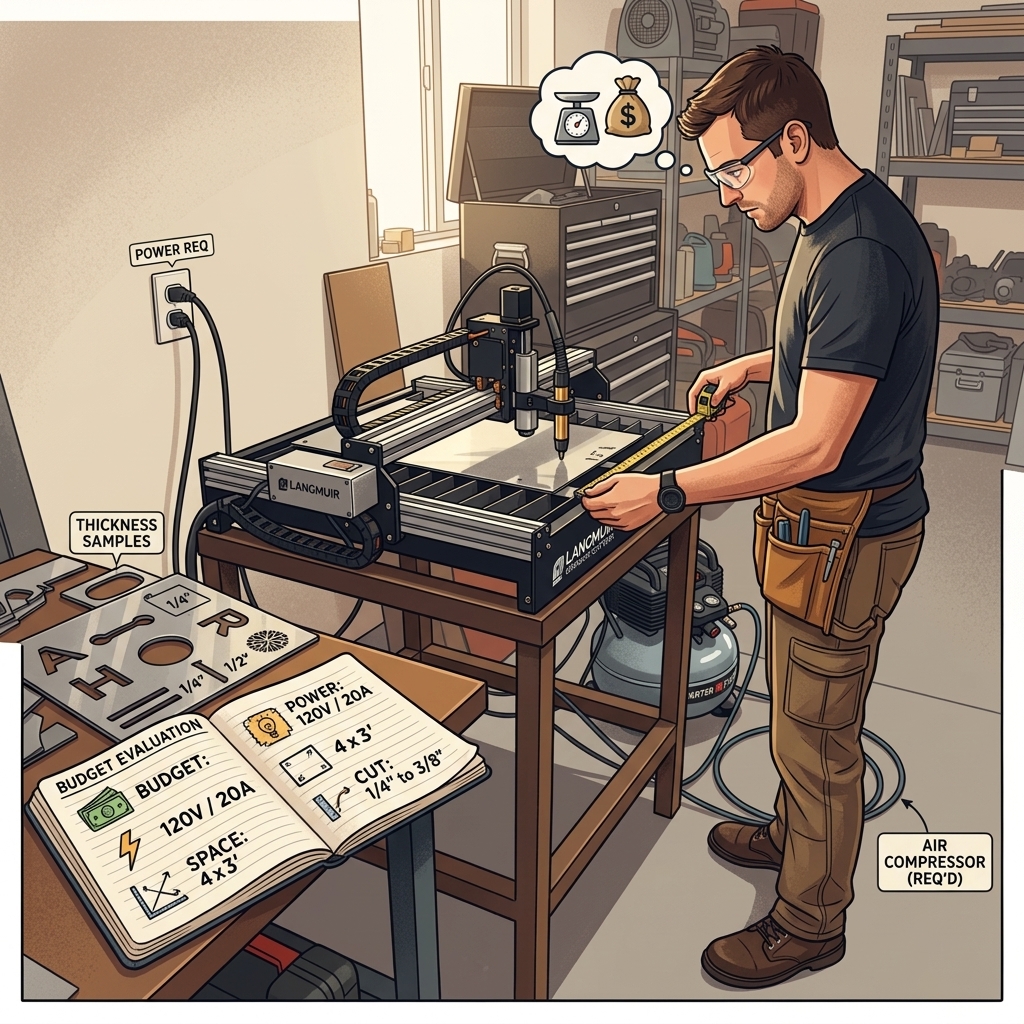
Before you start bookmarking product pages, let’s talk about the questions you should be asking yourself. A CNC plasma table is a serious investment of both money and shop space, and it pays to think it through before you commit.
Budget
Hobbyist CNC plasma setups range from around $2,000 for an entry-level table-and-cutter combo, up to $10,000+ for a fully outfitted system with a high-end plasma power source and premium software. Don’t forget to budget for consumables — nozzles, electrodes, and shield cups wear out and need replacing regularly. A cheap machine with an expensive consumables problem isn’t actually cheap.
Material Thickness
Ask yourself what you’re actually going to be cutting. If you’re making steel art, signs, and brackets out of 1/8″ to 1/4″ material, you don’t need a beast of a power source. If you’re planning to cut 1/2″ or thicker structural steel, you’ll need a plasma cutter with more amperage — think 60A or more.
Shop Space
CNC plasma tables aren’t small. Even a compact 2×2 model needs clearance for the gantry to move, plus room for a water table or downdraft system to handle the smoke and slag. Measure your space before you measure your enthusiasm.
Power Requirements
Most hobbyist plasma cutters run on either 120V or 240V. The bigger the amperage, the more likely you’ll need a dedicated 240V circuit. Check your shop’s electrical setup before you fall in love with a machine that needs more juice than you’ve got.
Software and Support
A CNC table is only as good as the software driving it and the company standing behind it. Look for machines with active user communities, responsive customer support, and software that doesn’t require a computer science degree to operate.
Top Hobbyist CNC Plasma Cutter Picks for 2026
Here’s where the rubber meets the road — or in this case, where the torch meets the steel. These are the machines earning real praise from real hobbyists this year.
1. Langmuir Systems Crossfire Pro
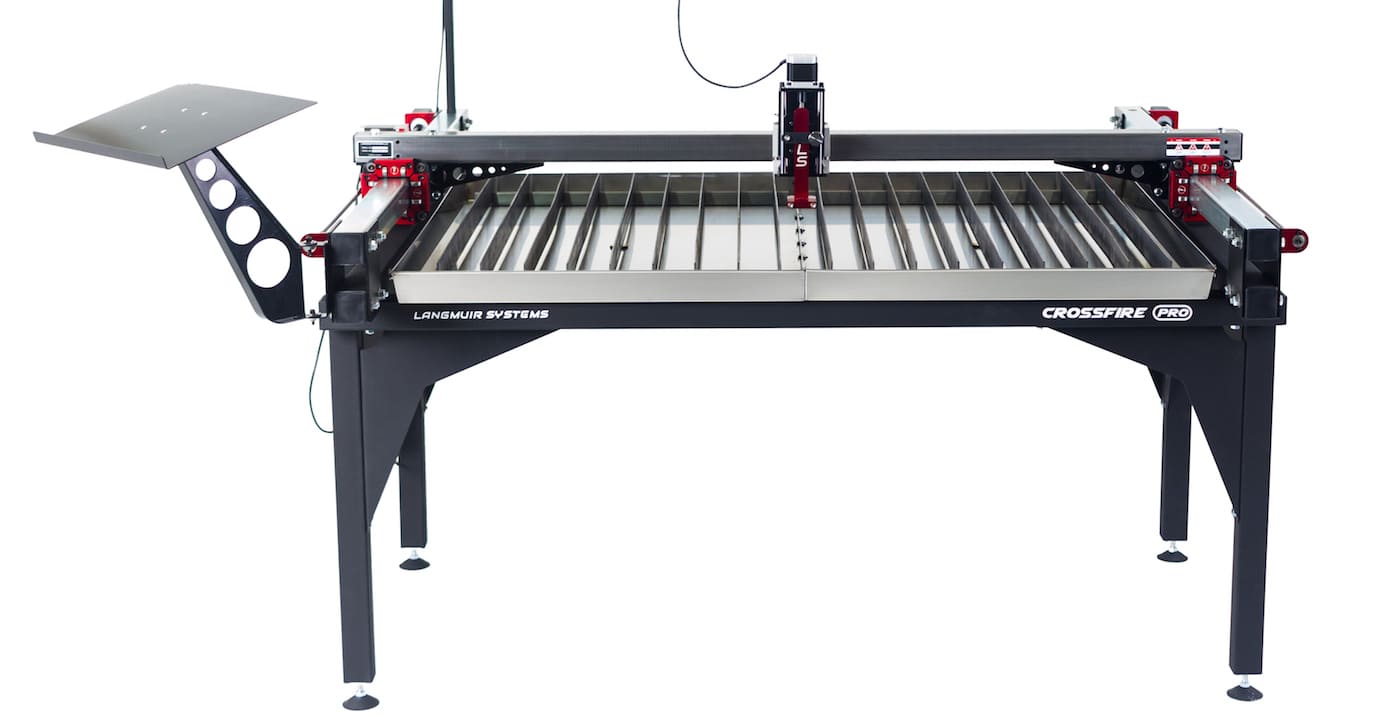
The Crossfire Pro has become something of a household name in the hobbyist CNC world, and for good reason. It comes as a complete, pre-assembled package — table, software, and torch height control all included — which is a rare thing in this market. The Pro model steps up from the original Crossfire with a beefier frame, improved cable management, and factory-tuned components that reduce the setup headaches so many first-timers dread.
It’s not the cheapest option on this list, but you’re paying for the fact that someone else already worked out the kinks. For a hobbyist who wants to spend more time cutting and less time troubleshooting, that’s worth something.
You can find the Langmuir Systems Crossfire Pro here.
2. Langmuir Systems Crossfire XR
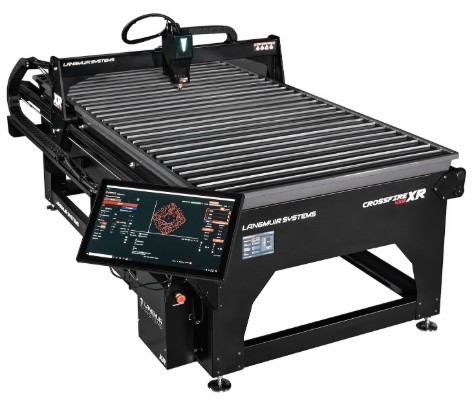
If the Pro is the flagship, the Crossfire XR is the workhorse for folks who need more real estate. With a larger cutting area, the XR is built for hobbyists graduating from small projects to bigger sheet goods — think full truck panels, larger art pieces, or batch-cutting brackets for a side business. It uses the same reliable software ecosystem as the Pro, so the learning curve stays manageable even as the machine scales up.
You can find the Langmuir Systems Crossfire XR here.
3. Arclight Dynamics Arc Pro Ultra V3 / Elite V3
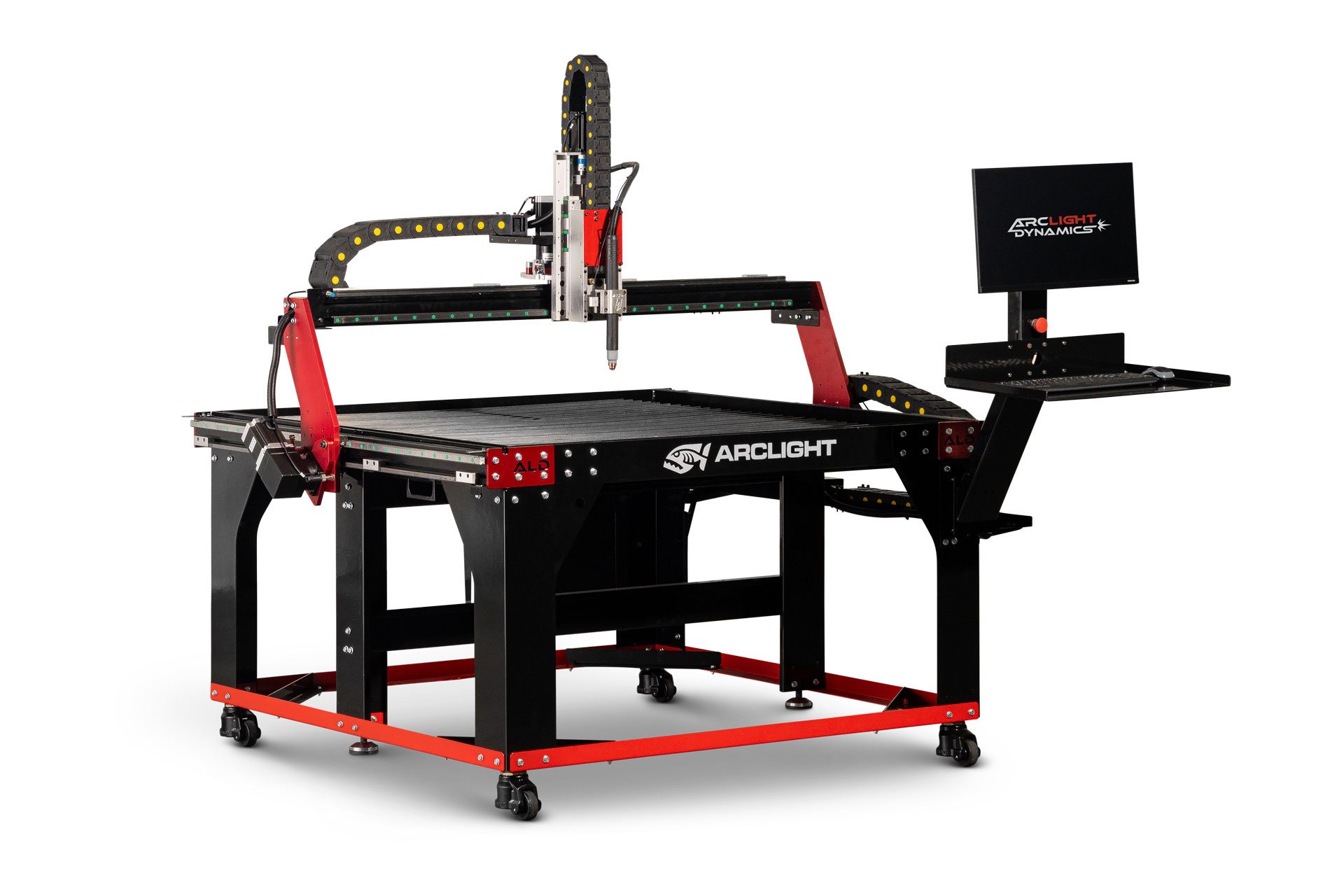
Arclight Dynamics has built a loyal following among serious hobbyists who want a bit more muscle and flexibility than the entry-level tables offer. The Arc Pro Ultra V3 is the higher-spec version, built with a rigid steel frame and precision linear rails that keep cut quality consistent even after months of daily use. The Arc Pro Elite V3 trims a few features to hit a friendlier price point, while still delivering the same core cutting accuracy.
Both versions support plasma, and some configurations allow for router add-ons down the line — a nice option if you decide you want to expand into wood or aluminum routing later. If you’re the type who likes to tinker and upgrade rather than replace, Arclight’s modular approach is worth a look.
You can find the Arclight Dynamics Arc Pro Ultra V3 CNC Plasma Cutter here.
4. STEPCRAFT Plasma Cutter System (M.500, M.700, M.1000)
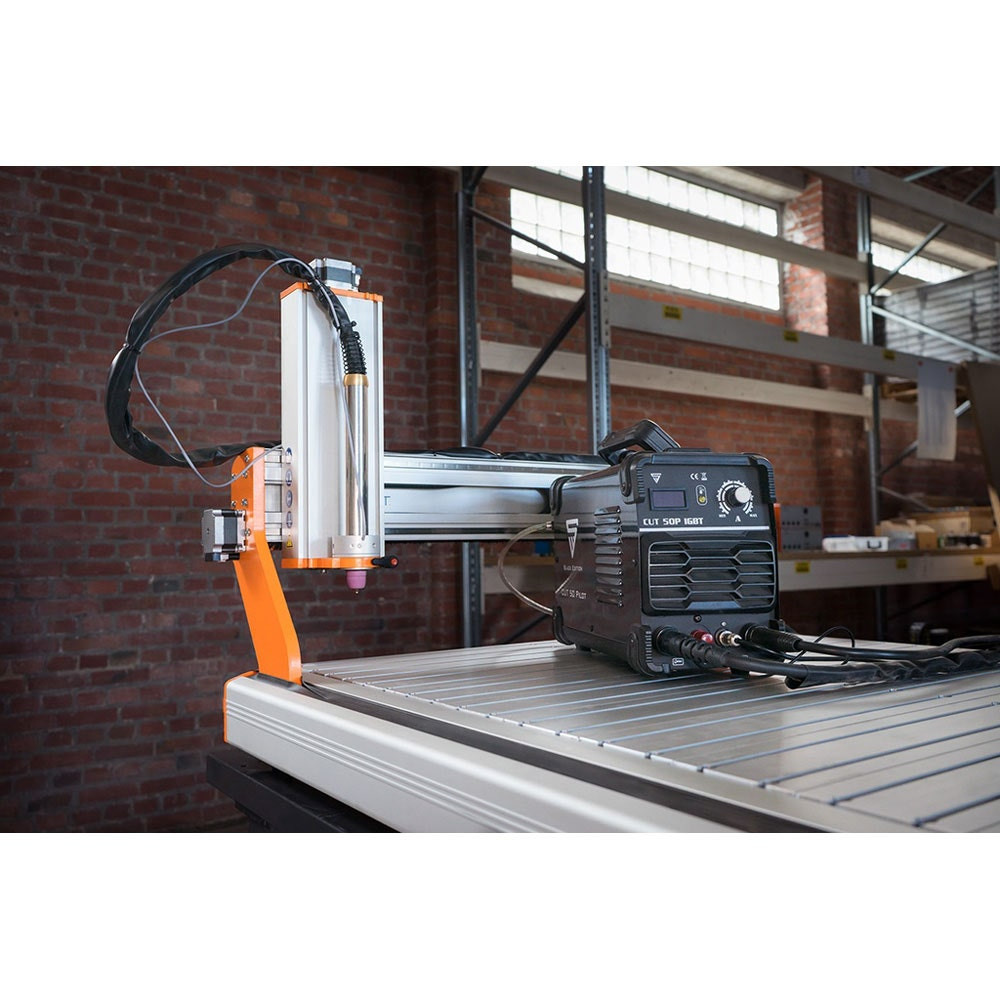
STEPCRAFT takes a different approach — these are multi-purpose CNC platforms that can be outfitted for plasma cutting, routing, engraving, and more, depending on the tool head you attach. The M.500, M.700, and M.1000 designations refer to the working area, so you can pick the size that matches your projects and your shop.
This versatility comes at a cost — literally. STEPCRAFT systems tend to run higher than dedicated plasma tables. But if you want one machine that can wear multiple hats, this German-engineered platform is built to last and backed by a company with a long track record in the hobbyist CNC space.
For user reviews and to buy online for best pricing and fast delivery – Click Here
5. Hypertherm Powermax45 XP
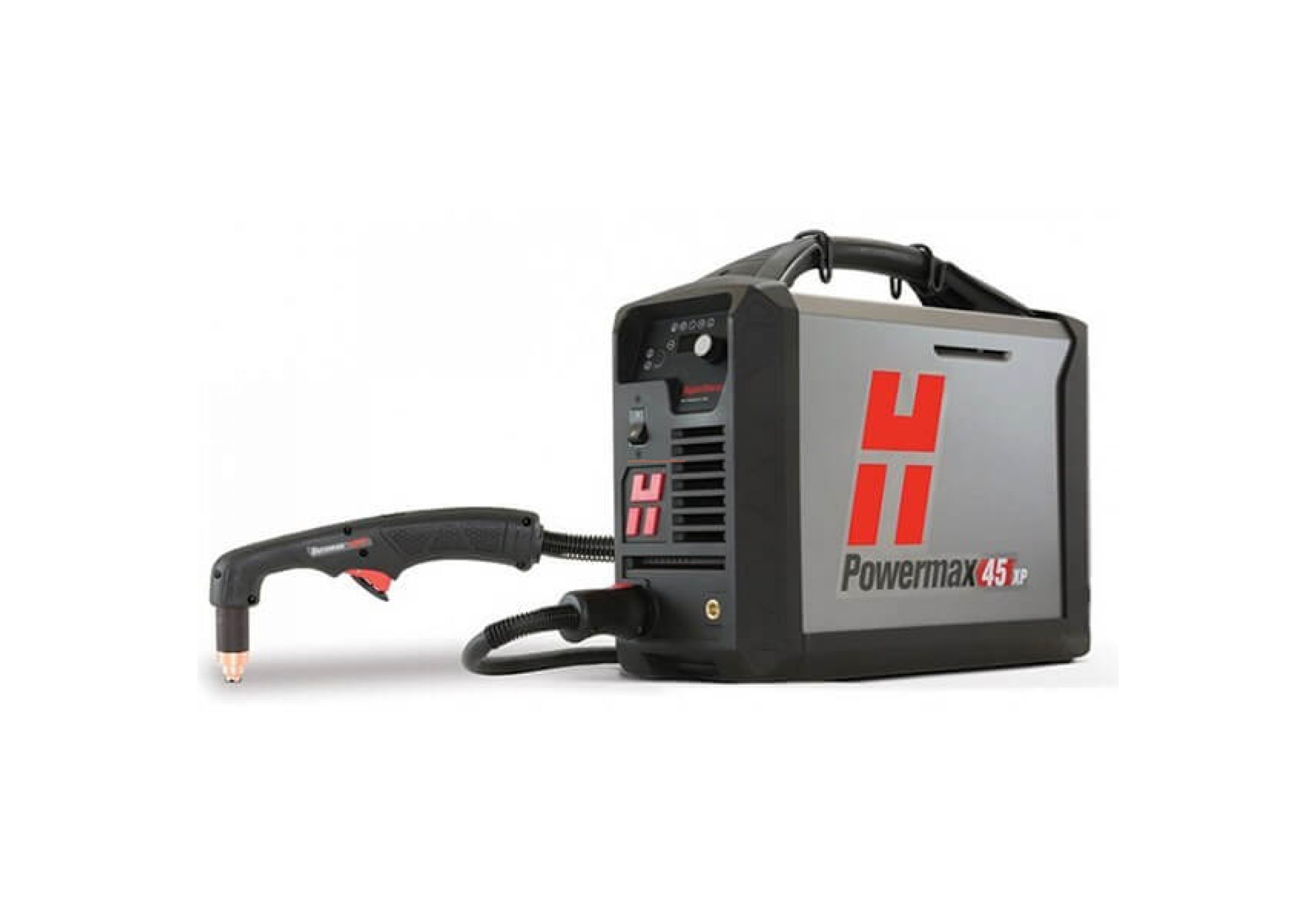
Hypertherm is the name you’ll hear mentioned with a certain reverence in plasma cutting circles, and the Powermax45 XP is a big reason why. This isn’t a full CNC table — it’s the plasma power source you’d pair with a CNC table like the Crossfire or Arc Pro — but it deserves its spot on this list because of how much it elevates whatever machine it’s bolted to.
The 45 XP delivers clean, consistent cuts on material up to 5/8″ thick, and its FastConnect torch system means you can swap between hand and machine torches without missing a beat. If you’re building a custom table or upgrading the power source on an existing one, this is widely considered the gold standard for hobbyist and light-commercial use.
For user reviews and to buy online for best pricing and fast delivery – Click Here
6. PrimeWeld CUT60
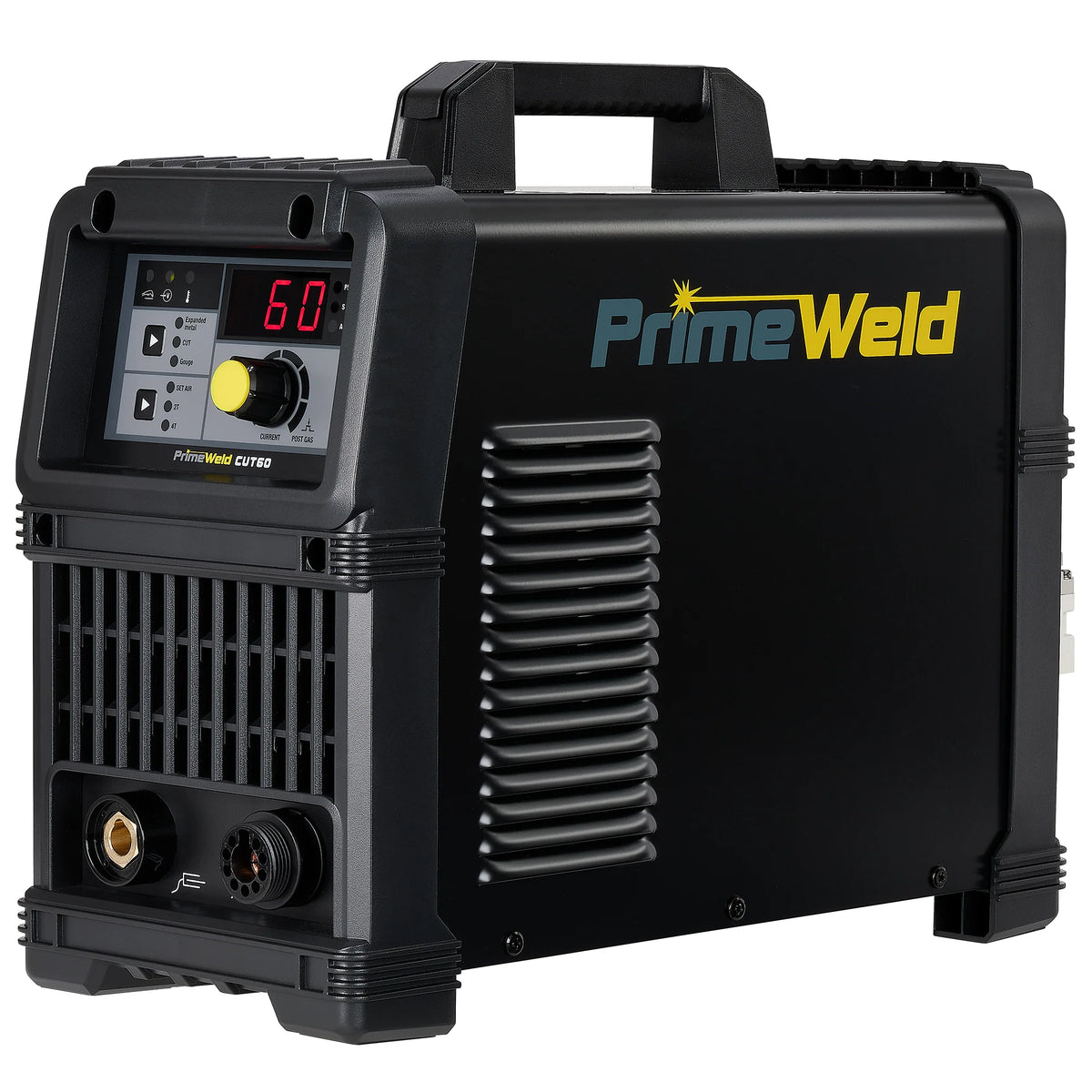
PrimeWeld has carved out a reputation for delivering solid performance without the premium price tag, and the CUT60 is a favorite among CNC hobbyists on a budget. Rated for 60 amps, it can handle material up to 3/4″ thick (with a clean cut rating closer to 5/8″), making it a capable partner for a CNC table without breaking the bank.
It’s not going to out-duty-cycle a Hypertherm in a production shop, but for a hobbyist running intermittent cuts in a home garage, the CUT60 punches well above its price class.
For user reviews and to buy online for best pricing and fast delivery – Click Here
7. YESWELDER CUT-55DS PRO
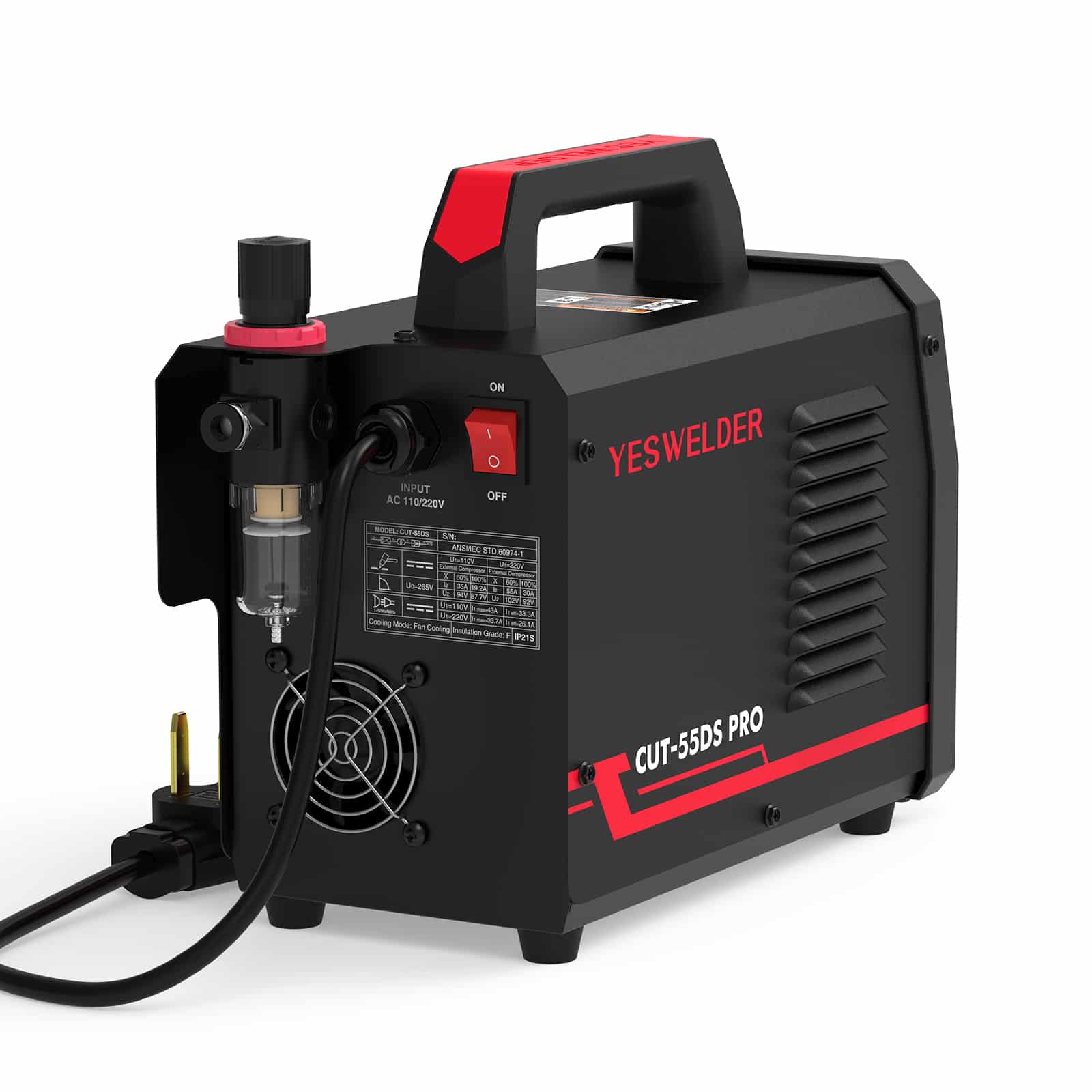
YESWELDER has built its brand on affordability, and the CUT-55DS PRO continues that tradition while adding dual-voltage input (110V/220V) for flexibility in different shop setups. It’s a pilot-arc cutter, meaning it can cut through painted, rusted, or expanded metal without needing direct contact — a genuinely useful feature for anyone working with less-than-pristine material.
For hobbyists just getting their feet wet in CNC plasma cutting, this is a reasonable entry point that won’t demand a second mortgage.
For user reviews, and to buy online for best pricing and fast delivery – Click Here
8. ARCCAPTAIN 60A Plasma Cutter
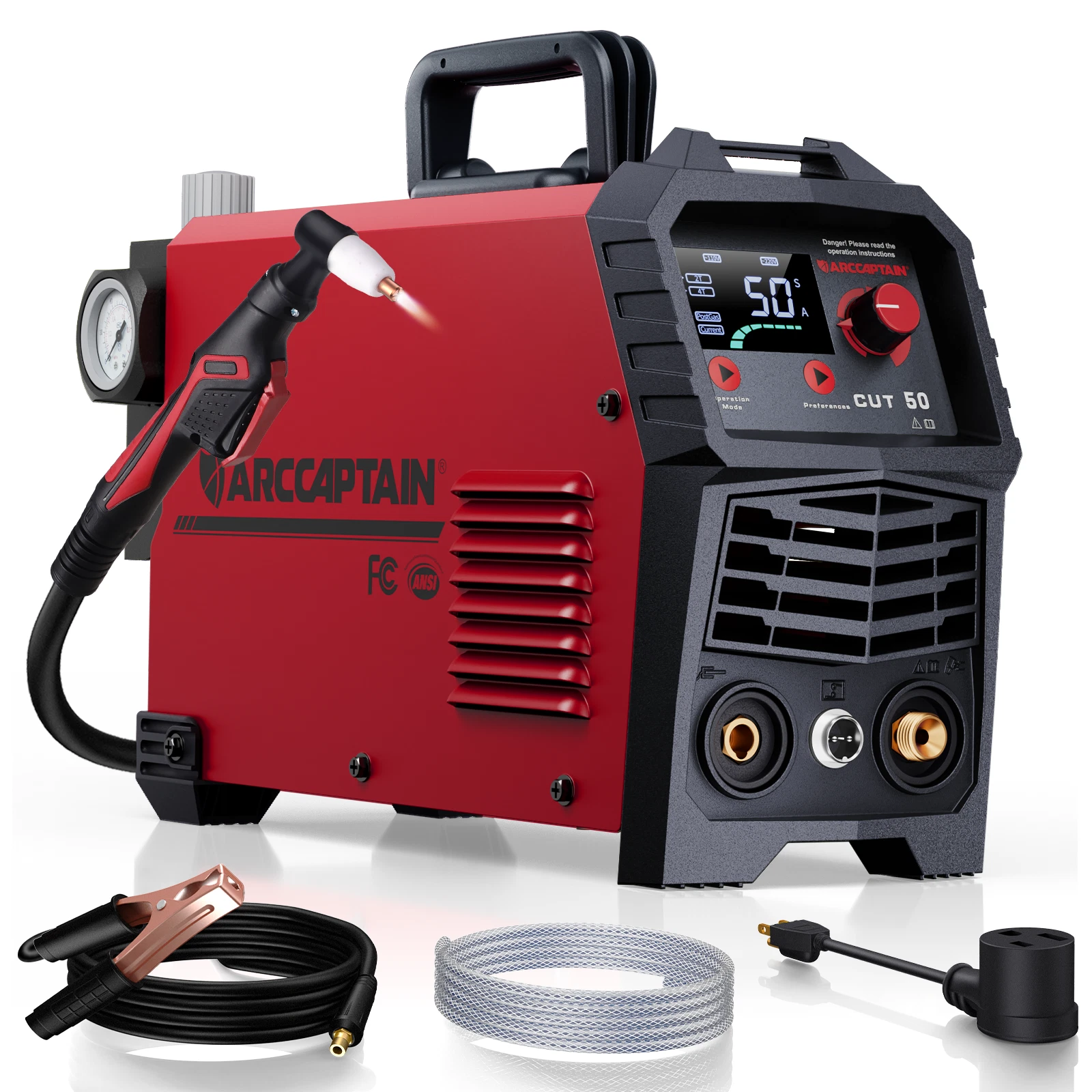
Rounding out the list is the ARCCAPTAIN 60A, another budget-friendly pilot-arc cutter that’s found a following among DIYers pairing it with smaller hobbyist CNC tables. It offers a straightforward feature set — no frills, no unnecessary complexity — which honestly suits a lot of hobbyists just fine. Sometimes you don’t need the fanciest tool in the shop. You just need one that works.
For user reviews, and to buy online for best pricing and fast delivery – Click Here
Quick-Reference Comparison Table
|
Model |
Type |
Best For |
Approx. Amperage |
Notable Feature |
|---|---|---|---|---|
|
Complete CNC Table |
Beginners wanting plug-and-play |
Pairs w/ 45-65A cutters |
Factory-tuned, pre-assembled |
|
|
Complete CNC Table |
Larger projects |
Pairs w/ 45-65A cutters |
Bigger cutting area |
|
|
Complete CNC Table |
Serious hobbyists, upgrade path |
Pairs w/ 45-85A cutters |
Rigid frame, modular tool heads |
|
|
Complete CNC Table |
Value-conscious upgraders |
Pairs w/ 45-85A cutters |
Same core accuracy, lower cost |
|
|
Multi-Purpose CNC |
Multi-tool hobbyists |
Pairs w/ various cutters |
Router/engraver compatible |
|
|
Plasma Power Source |
Upgrading cut quality |
45A |
FastConnect torch system |
|
|
Plasma Power Source |
Budget-conscious builders |
60A |
Strong value-to-performance ratio |
|
|
Plasma Power Source |
Entry-level dual-voltage use |
55A |
Dual voltage, pilot arc |
|
|
Plasma Power Source |
No-frills starter setups |
60A |
Simple, reliable, affordable |
Buying Guide: How to Choose
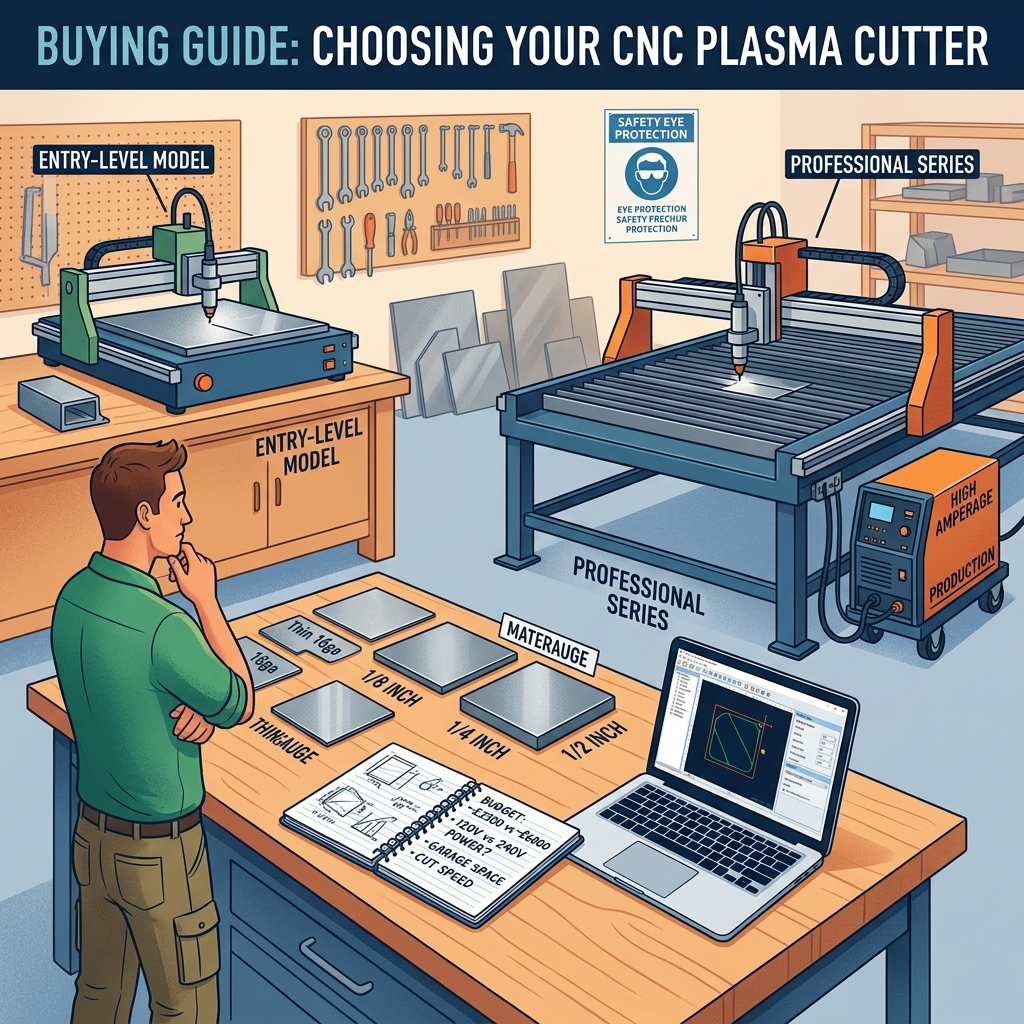
Picking the right machine comes down to matching the tool to the job — not the other way around.
If you’re brand new to CNC plasma: Go with a complete, pre-assembled system like the Langmuir Crossfire Pro. Spend your energy learning the software and the workflow, not troubleshooting a table you built from a kit.
If you’re already comfortable with fabrication and want to grow: Look at the Arclight Dynamics lineup or a STEPCRAFT platform. These give you room to expand your capabilities as your skills — and ambitions — grow.
If you already own a CNC table and want better cuts: Upgrade your power source. A Hypertherm Powermax45 XP paired with an existing table can transform your cut quality more than a brand-new table ever could.
If your budget is tight: The PrimeWeld CUT60, YESWELDER CUT-55DS PRO, or ARCCAPTAIN 60A will get you cutting without draining your savings account. Just budget extra for consumables, since cheaper cutters tend to burn through nozzles and electrodes faster.
Whatever you choose, don’t skimp on your air supply. A quality compressor with a good filter and dryer is just as important as the cutter itself — moisture in your air line will ruin your cut quality and wreck your consumables faster than anything else.
Maintenance and Safety Tips

A CNC plasma cutter is a piece of equipment that rewards respect and punishes neglect. Here’s how to keep yours running right and keep yourself in one piece.
- Keep your air supply dry and clean. Moisture and oil in your compressed air will destroy your consumables and degrade your cut quality. A good filter/dryer combo is non-negotiable.
- Replace consumables before they fail, not after. Worn nozzles and electrodes don’t just cut poorly — they can damage your torch. Keep spares on hand.
- Ventilate your workspace. Plasma cutting produces fumes and fine particulate that you don’t want to breathe. A downdraft table or proper ventilation system isn’t optional.
- Wear the right gear. Eye protection rated for plasma arc brightness, hearing protection, and flame-resistant clothing aren’t overkill — they’re the bare minimum.
- Ground your machine properly. Plasma cutters rely on a solid electrical ground for both performance and safety. Check your grounding connections regularly.
- Clean your water table or slag drawer. Built-up debris affects cut quality and can be a fire hazard if it accumulates near hot slag.
- Keep firmware and software updated. Manufacturers regularly release updates that fix bugs and improve motion control — don’t skip them.
Frequently Asked Questions (FAQ)
Do I need welding experience to use a CNC plasma cutter?
Not necessarily, but a basic understanding of metal properties and shop safety goes a long way. The CNC software handles the precision; you still need to understand the material you’re working with.
How much does it cost to run a hobbyist CNC plasma cutter?
Beyond the initial purchase, expect ongoing costs for consumables (nozzles, electrodes, shield cups), compressed air maintenance, and electricity. Budget a modest monthly amount if you’re cutting regularly.
Can I cut aluminum or stainless steel with these machines?
Most hobbyist plasma cutters can cut aluminum and stainless steel, though results and consumable life vary. Check your specific machine’s specs and consider a dedicated gas setup for cleaner non-ferrous cuts.
What software do these CNC plasma tables use?
Most use proprietary or semi-proprietary CAM software paired with G-code control. Langmuir and Arclight both offer their own streamlined software packages designed for beginners.
Is a water table necessary?
It’s not strictly required, but it’s highly recommended. Water tables cool the material, reduce fumes, and contain slag — making your shop safer and your cuts cleaner.
Final Thoughts
At the end of the day, the best hobbyist CNC plasma cutters aren’t the ones with the flashiest marketing — they’re the ones that get bolted down, wired up, and put to work cutting real projects in real garages. Whether you go with the plug-and-play simplicity of a Langmuir Crossfire, the modular muscle of an Arclight Dynamics table, or build your own rig around a Hypertherm power source, the right choice comes down to matching the machine to your skills, your space, and your budget.
Do your homework, buy from companies still standing behind their products, and don’t be afraid to start small. A good CNC plasma cutter won’t make you a craftsman overnight — but it’ll sure give you the tools to become one.